
Fast-moving technology categories create a particular marketing challenge. Everyone wants to join the conversation, but relatively few brands have original evidence to bring to it.
Akeyless wanted to establish a stronger position in one of the fastest developing areas of cybersecurity: the identity and access risks created by autonomous AI agents.
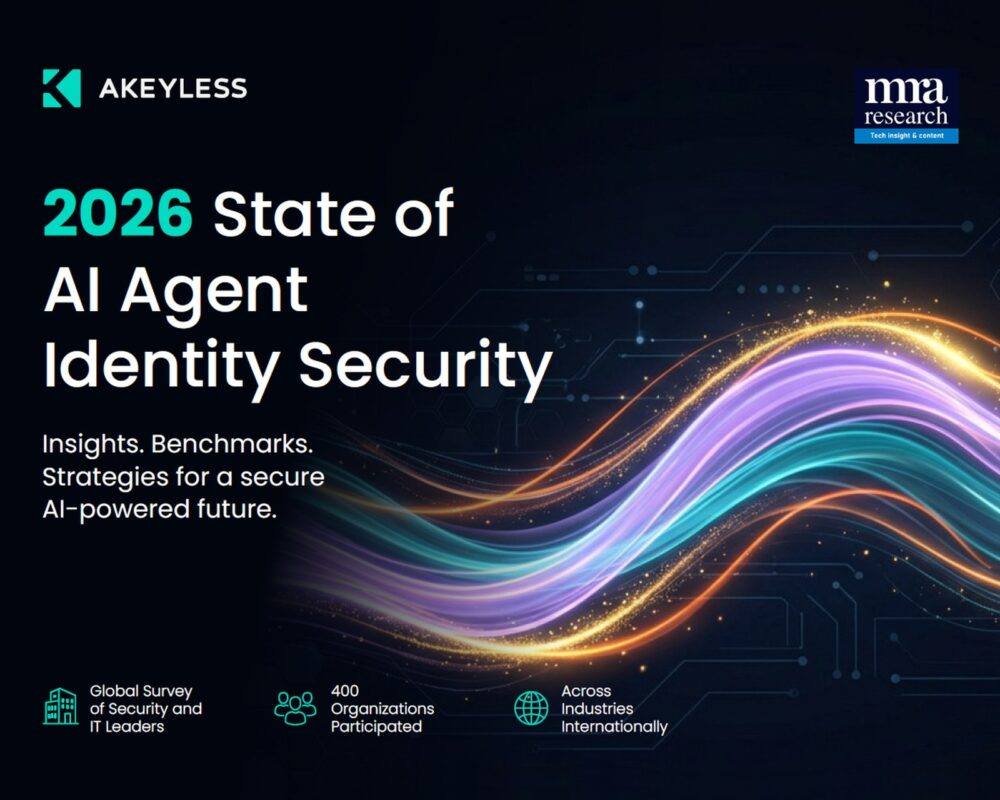
The objective was not simply to publish another opinion piece. Akeyless needed a credible body of research that could underpin a flagship “State of” report, support its wider market positioning and generate useful content throughout the year.
- Client: Akeyless
- Research audience: IT and security decision-makers
- Markets: United States and United Kingdom
- Method: Quantitative online research
- Sample: 400 respondents, including 300 in the US and 100 in the UK
The challenge
AI agents are being introduced into production environments at speed, but the language, controls and best practices surrounding their identities are still evolving.
Akeyless needed to understand what was happening inside organisations in practice. That meant looking beyond general attitudes towards AI and exploring questions such as:
- What systems and data can AI agents access?
- How are their credentials created, stored and rotated?
- Can security teams detect when an agent has been compromised?
- Where are developers bypassing identity controls?
- What is the operational and financial impact when controls fail?
The research also needed to support commercial objectives. It had to create a strong, evidence-based market narrative while providing useful material for marketing, PR, sales and demand generation.
Our approach
MRA Research designed and delivered a quantitative research programme focused on senior IT and security decision-makers.
The questionnaire explored AI agent adoption, identity governance, credential management, access to sensitive data, detection and response, and future investment priorities. Care was taken to produce findings that were robust enough for a major report while still yielding clear, accessible stories for a wider business audience.
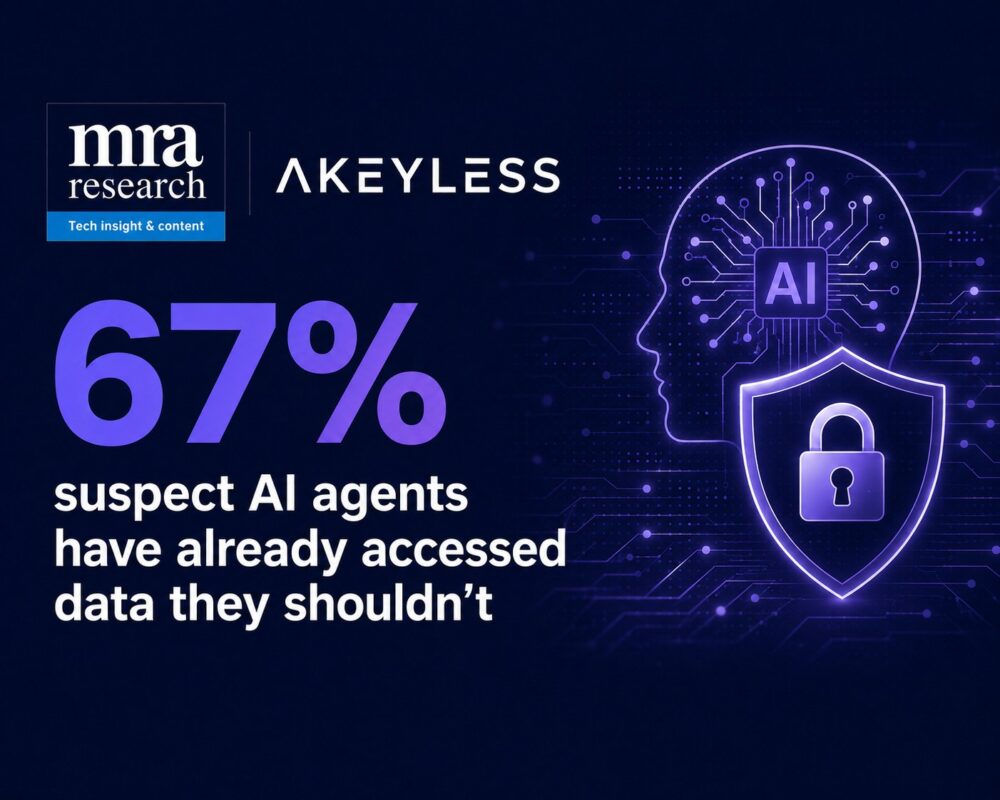
The resulting data showed a sizeable gap between AI adoption and identity control. Among organisations using AI agents, 67% suspected that agents had accessed data beyond their intended scope. Some 61% had already revoked or rotated credentials because of suspected exposure, while 83% said one compromised credential could affect several major systems.
From one study to a content programme
The project was designed as more than a single report.
The research created a foundation for a flagship annual “State of” publication, supported by additional outputs such as an executive summary, webinar content, a whitepaper and sector-specific reports. This allowed Akeyless to explore different parts of the data with different audiences, rather than trying to place every insight into one document.
It also gave the marketing team a consistent evidence base. The same core research could support media conversations, event presentations, campaign messaging, sales discussions and more focused articles throughout the year.
The outcome
The programme gave Akeyless an ownable research story in an emerging cybersecurity category.
Rather than making general claims about the risks of AI agents, the business could point to specific evidence showing where organisations were struggling, how much incidents were costing and why traditional approaches to identity management were becoming insufficient.
The result was a high-value research asset with both editorial and commercial uses. It strengthened Akeyless’ ability to lead conversations about AI agent identity security while providing a sustainable source of credible content.
Good thought leadership does not begin with a content format. It begins with a question that matters to the market, followed by research capable of producing a useful answer. This project gave Akeyless both.
Planning a research-led report or technology campaign? Contact Callum Budd at callum@mra-research.co.uk to discuss how we can support.